The Rise Of Integrated Casino Resort Tourism
The global casino resort industry has experienced remarkable growth because travelers increasingly seek immersive entertainment destinations. A luxury casino property today functions as a complete travel ecosystem that combines hospitality, nightlife, dining, shopping, and entertainment into one unified experience.
In earlier decades, many casino properties focused almost entirely on gaming activity. Today, however, the casino experience extends far beyond traditional gaming floors. Visitors now evaluate a casino resort based on architecture, suite quality, wellness amenities, entertainment schedules, and culinary reputation.
Asia has become one of the most influential regions within the casino industry. Macau, Singapore, and the Philippines continue investing heavily in integrated casino resort developments that attract millions of international visitors annually. These destinations emphasize luxury hospitality and premium tourism experiences alongside the casino environment itself.
Las Vegas remains one of the most iconic casino markets globally. Every major casino resort in Las Vegas competes aggressively through entertainment partnerships, nightlife concepts, modern design, and exclusive guest experiences. The city continuously reinvents the traditional casino concept to remain globally relevant.
One major trend shaping the casino sector is experiential travel. Travelers increasingly prefer destinations that offer memorable experiences rather than standard hotel accommodations. A luxury casino resort provides multiple entertainment layers within a single location, which strongly appeals to modern tourism preferences.
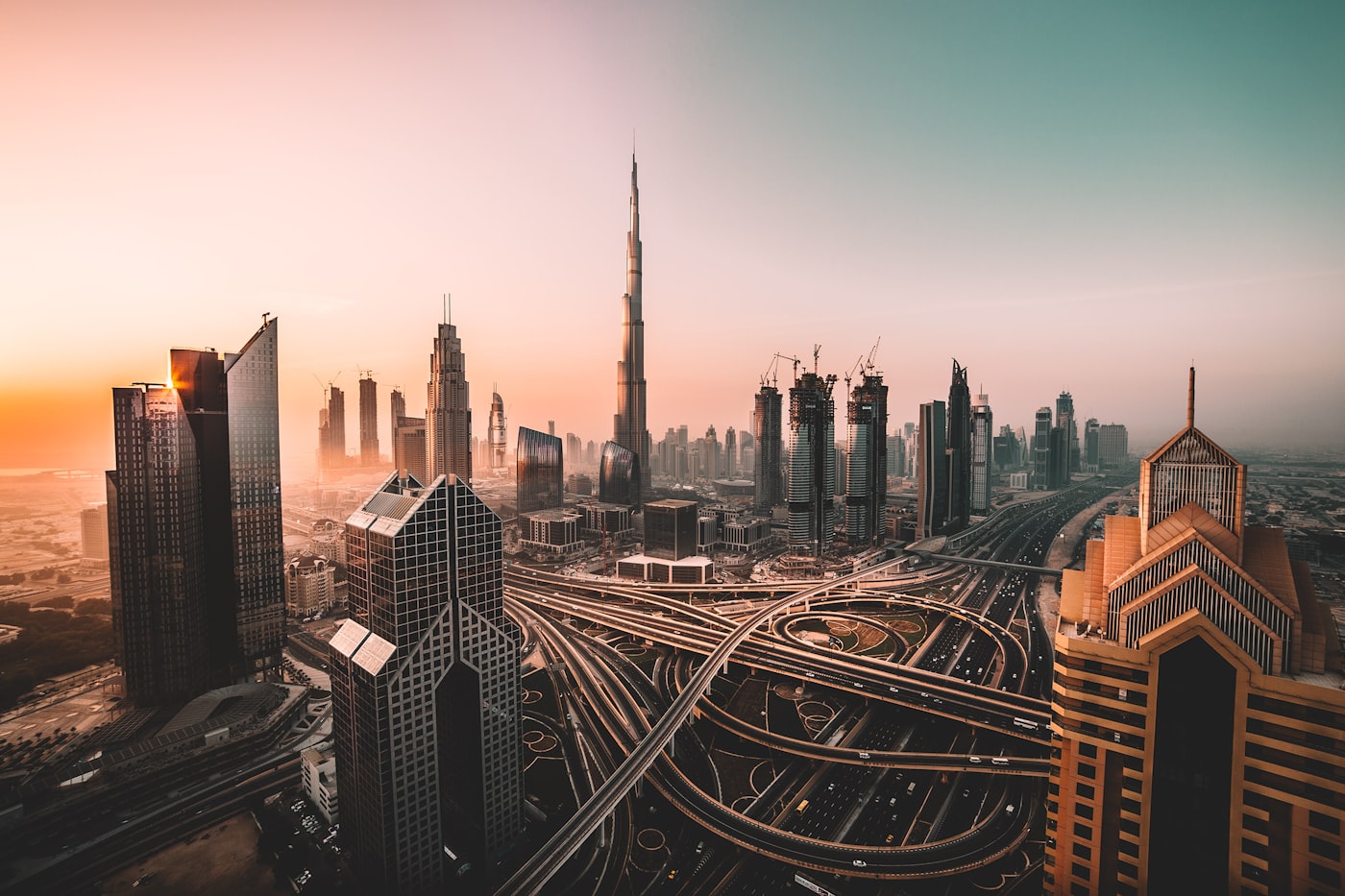
The architecture of a casino resort plays a major role in visitor perception. Some casino properties prioritize futuristic skyline designs while others embrace cultural themes or classic luxury aesthetics. A visually impressive casino environment often becomes part of a destination’s international identity.
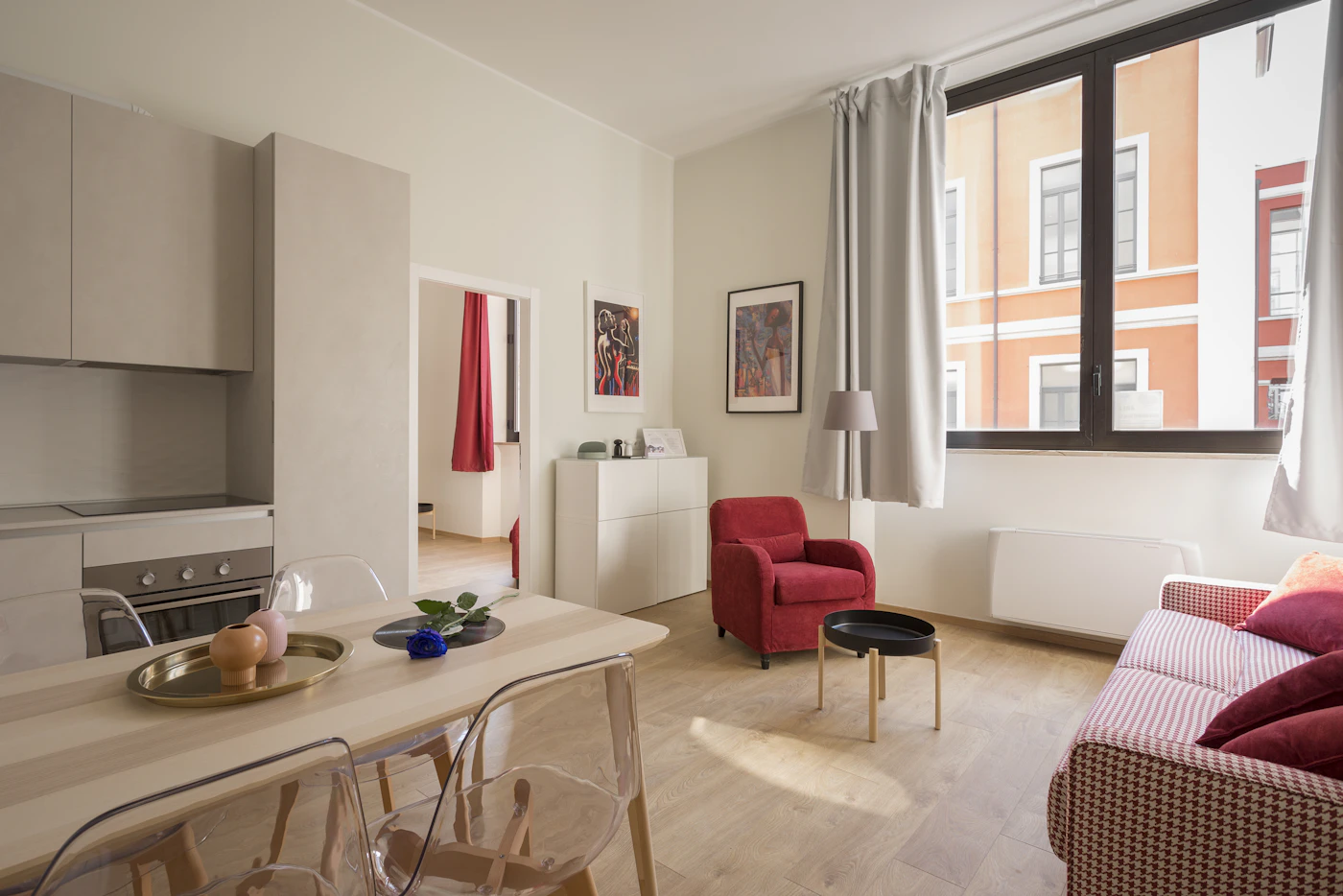
Luxury accommodation standards are equally important. Premium travelers visiting a casino destination expect spacious suites, modern technology, personalized service, and exceptional comfort. High-end casino resorts invest heavily in interior design to strengthen their global reputation.
Entertainment continues driving casino tourism growth. Concert arenas, theatrical productions, sporting events, rooftop lounges, and nightlife venues allow casino resorts to attract visitors who may never enter the gaming floor. This diversification strategy has transformed how the public views casino properties.
Dining experiences have become another essential factor within the casino industry. Many luxury casino resorts collaborate with internationally recognized chefs to create premium culinary destinations. Visitors often select a casino resort specifically because of its restaurant portfolio.
The casino atmosphere itself remains central to the guest experience. Lighting, floor design, service quality, music, and spatial layout all contribute to how visitors perceive a casino property. Some travelers prefer high-energy casino environments while others seek quieter luxury casino lounges.
Technology has modernized the casino sector considerably. Advanced room controls, digital concierge services, immersive visual displays, and streamlined hospitality systems are now common within elite casino resorts. These innovations help properties deliver a seamless luxury experience.
Wellness and relaxation have also become important within casino resort planning. Modern travelers increasingly expect spas, wellness programs, fitness centers, and relaxation areas alongside gaming and entertainment options. This shift has encouraged casino resorts to broaden their appeal beyond traditional audiences.
Responsible entertainment standards are increasingly emphasized throughout the casino industry. Luxury casino operators often provide guest education, responsible gambling messaging, age restrictions, and support resources as part of their hospitality practices.
International tourism authorities also recognize the economic value of casino resorts. Integrated casino developments frequently support employment growth, tourism expansion, hospitality investment, and convention business activity.
The competitive nature of the casino market encourages constant innovation. Casino resorts regularly redesign interiors, expand entertainment facilities, introduce new dining concepts, and modernize accommodations to remain attractive to global travelers.
Another defining trend is exclusivity. VIP lounges, private gaming salons, luxury transport services, and personalized hospitality help casino resorts cater to premium guests seeking elevated experiences.
Many casino travelers compare destinations based on atmosphere rather than gaming variety alone. A memorable casino property combines architecture, entertainment, comfort, and service into a cohesive luxury identity.
The integration of retail shopping has also reshaped casino resorts. Designer boutiques and luxury shopping districts often form a central part of the modern casino destination, creating additional appeal for non-gaming visitors.
Nightlife culture remains closely connected to casino tourism. From rooftop bars to exclusive clubs, nightlife venues contribute significantly to the popularity of major casino resorts across both Asia and the United States.
Ultimately, the luxury casino resort sector continues evolving because traveler expectations continue rising. Today’s casino guest expects more than gaming access. Visitors seek architecture, atmosphere, entertainment, comfort, and hospitality that together create an unforgettable destination experience.